The Essential Guide to Baby Cots in the UK
Picking the right cot for a newborn can be a difficult task for new parents. With cots4tots in the UK market, understanding the features, security requirements, and kinds of baby cots is important. This short article intends to supply a useful summary of the different baby cots offered, their advantages, and considerations for parents in the UK.
Kinds Of Baby Cots
There are a number of types of baby cots available in the UK, each designed to meet various requirements and choices. The most common types consist of:
- Standard Cots: These are conventional baby cots that provide a safe sleeping environment for newborns and babies. They usually include adjustable bed mattress heights to suit the baby's development.
- Convertible Cots: Also referred to as 3-in-1 or 4-in-1 cots, these versatile choices can change from a cot to a young child bed and even into a full-size bed. They are developed for extended use, making them an affordable choice.
- Moses Baskets: Ideal for the early months, Moses baskets are light-weight and portable, making them easy to move the home. They normally feature a removable cover and a soft mattress.
- Travel Cots: These cots are collapsible and compact, specifically developed for moms and dads on the go. They include a travel bag for simple transport and are ideal for slumber parties or vacation trips.
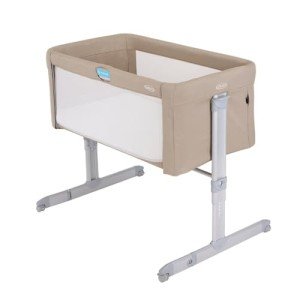
- Co-Sleepers: These cots are developed to attach to the parent's bed, enabling simple access to the baby throughout the night while making sure the child has their own safe sleeping area.
Table 1: Comparison of Baby Cot Types
| Type of Cot | Age Range | Mobility | Longevity | Cost Range |
|---|---|---|---|---|
| Standard Cot | Birth to 2 years | Low | Moderate | ₤ 120 - ₤ 300 |
| Convertible Cot | Birth to 5+ years | Moderate | High | ₤ 150 - ₤ 500 |
| Moses Basket | Birth to 6 months | High | Low | ₤ 40 - ₤ 150 |
| Travel Cot | Birth to 3 years | Very High | Low | ₤ 50 - ₤ 200 |
| Co-Sleeper | Birth to 6 months | Moderate | Low | ₤ 100 - ₤ 300 |
Safety Standards for Baby Cots in the UK
Making sure the safety of a baby cot is critical. In the UK, all cots should abide by specific guidelines to ensure they are safe for usage. The following requirements ought to be satisfied:
- British Standard BS EN 716: This basic sets requirements for the security and efficiency of children's cots and folding cots.
- Product Safety: The cot should be made from non-toxic materials that are devoid of harmful chemicals.
- No Sharp Edges: Ensure there are no sharp edges or protruding points that might harm the baby.
- Steady Structure: The cot needs to have a stable base to avoid tipping, and the slats should be spaced properly to avoid the baby's head from getting trapped.
- Mattress Fit: The mattress ought to fit comfortably in the cot, with no spaces that could pose a suffocation danger.
Features to Consider When Choosing a Baby Cot
When picking a baby cot, parents should keep the following functions in mind:
- Adjustable Mattress Heights: Cots with adjustable heights make it much easier to place and raise the baby as they grow.
- Material Quality: Look for sustainably sourced wood or products that are both long lasting and safe for children.
- Reduce of Assembly: Cots that are easy to put together and disassemble can save parents time and aggravation.
- Storage Options: Some cots include integrated storage drawers to keep baby basics arranged.
- Design and Aesthetic: Choose a cot design that fits well with the home decoration while ensuring it is practical and safe.
FAQs About Baby Cots in the UK
Q1: How much should I expect to invest in a baby cot?
A1: Prices for baby cots in the UK can vary extensively based on type and brand, ranging from ₤ 40 for a standard Moses basket to over ₤ 500 for high-end convertible cots.
Q2: When can my baby relocate to a cot from a crib?
A2: Most children transition to a cot in between 6 months and 2 years, depending on their size and mobility. It's essential to monitor their developmental turning points.
Q3: Are pre-owned cots safe to utilize?
A3: While second-hand cots can be safe, ensure they satisfy present safety standards and reveal no signs of wear, damage, or remembers. It's advisable to avoid older designs that might not adhere to existing policies.
Q4: Can I utilize a cot for a co-sleeping plan?
A4: Co-sleeper cots are designed specifically for this function, enabling you to keep your baby close while keeping a safe sleeping environment. Constantly comply with co-sleeping safety recommendations.
Q5: What is the best bed mattress type for a baby cot?
A5: A firm and flat bed mattress is advised for infants. Avoid soft mattresses, as they increase the danger of suffocation. Ensure it fits snugly in the cot with no gaps.
Selecting the ideal baby cot is a critical decision for new moms and dads in the UK. It needs careful factor to consider of security policies, types of cots available, and includes that deal with their specific requirements. By being knowledgeable, parents can create a safe and comfortable sleeping environment for their newborns, ensuring peace of mind throughout those crucial early months. Ultimately, investing time in research can cause an informed decision that balances safety, convenience, and practicality.